

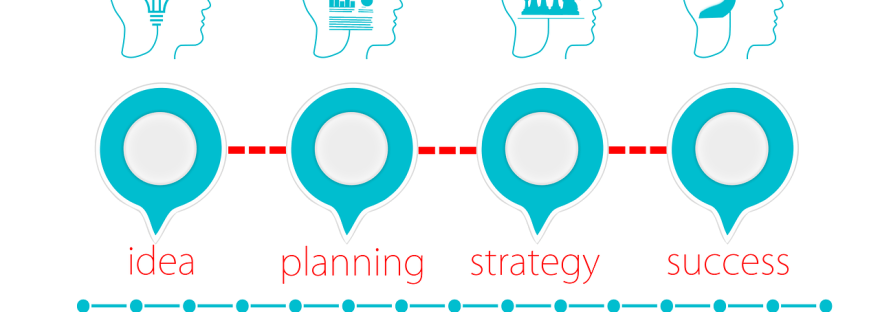
In this blog post, we will be considering how you can treat your self-publishing like a business and why it is a good idea to do this. Even if you only have one book, you can still treat this in the same way and may find that this is a lot easier in the long run. We will start by considering what the benefits are of this, then move on to look at how you can create a business plan.
Why Make a Business Plan?
Self-publishing is a massive investment. You will need to pay for editing (multiple rounds), cover design, printing, distribution, ISBNs … the list goes on! It is also costly in terms of your time and energy. With this in mind, why wouldn’t you make a business plan?
A business plan should let you see everything that you have spent so far and help you to work out how to earn this back. If you can make predictions of sales, this will be a great addition, but make sure these are accurate. This will let you see what your overall profits might be.
Having a business plan will also help you to keep track of what you are doing. Include details of when you will be having editing and cover design done in the pre-launch, then think about what marketing and promoting you will need to do after. You can refer back to this as you need to, helping to keep everything running smoothly.
Creating Your Business Plan
Author Brand and Mission Statement
When you are starting your business plan, the first point to consider is your author brand. Think of what sort of things come to mind when you think about other authors. Are their books fun? Gritty? Imaginative? Jot down some ideas. Next, think about what you want your brand to be and how you can make people think of that when they see your name.
Once you have decided, write a few sentences describing your author brand so that you can keep it in mind when you are planning. This means that you can quickly refer back to it when making decisions about cover art, for example.
The next step is to decide on your mission statement. Rather than considering how you would like you and your books to be viewed, this asks what sort of readers you would like to attract. For example, you might want your readers to be adventurous, or thoughtful, or maybe you would like them to truly engage and empathise with your characters. It’s up to you! Knowing what sort of readers you want to appeal to will make marketing easier.
You should also consider what you want for your writing career as part of your mission statement. At this point, it isn’t really about the number of copies to sell or target earnings. These can come later as part of your goals section. For your mission statement, you simply need something to guide you when you are coming up with goals. It might say that you would like to be a successful author and develop your author brand, for example.
SMART Goals
SMART stands for Specific, Measurable, Achievable, Relevant and Time-Based. Considering all of these factors will help you to create clear, realistic goals that you can use in your business plan. We will look at each of these points one at a time.
Specific
Specific means that you make your goal as detailed as possible to avoid any confusion later. You should have a clear goal to refer back to and know when you have reached it. To make your goal specific, try asking yourself some questions about it. You should consider who is involved in the goal, from yourself, to your readers, to the printing company you will be using. Next, ask yourself what you hope to accomplish, making this as specific as possible, for example, format your book in accordance with the printing company’s requirements.
The next question is where this goal is to be achieved, although this won’t always be relevant. In addition, think about when you want to achieve it by, as well as why this is your goal. Asking why is a good way to keep yourself on track.
Measurable
Your goal should also be measurable, meaning that it is clear what you need to have done to achieve it. This helps you to plan in detail and makes it easier for you to follow what you have done.
Achievable
Achievable means that your goal should be realistic. For example, if you want to sell a certain number of copies, research what is actually likely based on your book and existing audience and choose a goal based on this. You can always set a higher one once you have reached this goal!
Relevant
Your goal should also be relevant to both you and your book. This helps to keep you focused and makes sure you don’t have goals that detract from your main plan.
Time-Based
Finally, your goal should be time-based. For example, decide what date you can realistically publish your book by and aim for this.
Wrapping Up
I hope that this helps you get your business plan started. In my next blog post, we will be continuing to create your plan, so come back in two weeks for that!
Want help proofreading your work? Contact Carmine Proofreading for a friendly, professional service from a qualified proofreader.
Email: CarmineProofreading@gmail.com
Twitter: https://twitter.com/CarmineProofed

 Carmine Proofreading
1 thought on “Making a Business Plan as a Self-Publishing Author – Part 1”